

If you’ve ever stood in the baby aisle, feeling overwhelmed by rows of wet wipes all claiming to be “99% water,” “organic,” or “hypoallergenic,” we completely understand — we’ve been there too.
Every pack promises to be the gentlest or safest, but what you really want is something simple: a wipe that’s truly kind to your baby’s skin and does the job when things get messy.
At Chubby Cheeks, we know that choosing the right wipe shouldn’t be confusing or stressful. That’s why we’re here to help you understand what makes each type different, so you can find the one that fits your baby, your values, and your everyday routine with confidence and care.
Why Types of Wipes Matter

Your baby’s skin is thinner, softer, and more sensitive than yours, especially in the diaper area. In fact, baby skin is 20-30% thinner than adult skin. They absorb substances more easily and are more vulnerable to irritation, moisture loss, and damage.
That means what you use to clean them matters. The right wipes can help prevent rashes, dryness, and irritation, while the wrong ones can make things worse.
Different wipes are designed for different needs. Some are extra gentle for newborns, others are thicker for heavy-duty messes.
Knowing which type fits your baby helps you save money, reduce waste, and most importantly, keep your little one comfortable.
At first glance, all wipes look the same. But beneath the surface, they differ in three main ways:
Formulation
This is the liquid that keeps wipes moist and effective. It usually includes purified water, mild cleansers, natural moisturisers such as aloe vera or glycerin, and safe preservatives to prevent bacterial growth.
Some wipes go a step further and use food-grade formulations, meaning the ingredients meet safety standards for accidental contact with the mouth. These are perfect for wiping hands, faces, and mealtime messes without worry.
When choosing, look for alcohol-free and fragrance-free options if your baby has sensitive skin. For added comfort, wipes with soothing botanicals like chamomile or calendula can help calm redness.
Material
The wipe fabric itself determines how soft, strong, and eco-friendly it feels. Common materials include cotton, polyester, viscose, or bamboo. Cotton and bamboo are natural and biodegradable, making them gentle on delicate skin and better for the environment.
Polyester or mixed fabrics, on the other hand, are more durable and hold moisture longer. The texture also matters — smoother wipes are ideal for newborns, while slightly textured ones help clean tougher messes easily.
Packaging
Good packaging can make diaper changes much easier. Most wipes come in resealable plastic packs to prevent drying, while larger tubs or pop-up lids offer quick, one-handed access — a lifesaver during wiggly diaper moments.
Travel-size packs are compact and fit easily into diaper bags. For sustainability, some brands now offer refillable containers or use recyclable materials. Whichever you choose, make sure the seal closes tightly to keep every wipe fresh and moist.
Once you understand these basics, it becomes clear why some wipes feel softer, stay wetter, or perform better for your baby’s skin.
Main Categories of Baby Wipes

Now that you have understood how baby wipes may differ, let’s look at a snippet of the main categories of baby wipes, their pros and cons, and what they are best used for.
Water-Based Wipes
Best for: Newborns, sensitive skin, and everyday use
These wipes are made with minimal ingredients, usually around 99% purified water and a mild preservative.
Pros: Gentle and ideal for daily cleaning.
Cons: Can dry out faster and may not clean sticky messes as effectively.
Sensitive or Hypoallergenic Wipes
Best for: Babies prone to diaper rash or eczema
These wipes avoid common irritants like alcohol, fragrance, and parabens.
Pros: Soothing for delicate skin and dermatologist-approved.
Cons: Sometimes thinner or slightly less moist than regular wipes.
Food-Grade Wipes
Best for: Face, hands, and mealtime messes
Formulated with edible-safe ingredients and no harsh chemicals, food-grade wipes are safe to use on skin that comes into contact with food or the mouth.
Pros: Ultra-safe, multipurpose, and gentle — ideal for teething babies or self-feeding toddlers.
Cons: May be slightly less effective for heavy diaper cleanups.
Eco-Friendly or Biodegradable Wipes
Best for: Eco-conscious households
Made from plant-based materials such as bamboo or viscose, these wipes break down faster and reduce waste.
Pros: Better for the environment and often plastic-free.
Cons: Usually more expensive and may dry out faster without synthetic preservatives.
Safety First: Ingredients to Check
Front labels can be misleading. Words like “natural,” “dermatologist-tested,” or “organic” sound comforting, but they do not always tell the full story. The most important part is the ingredient list.
Category: What’s Safe and Gentle

| Category | What’s Safe | Why It Matters |
|---|---|---|
|
Base
|
Purified water – gentle, non-irritating, and suitable for everyday cleansing. |
Forms the foundation of most wipes; keeps your baby’s skin fresh and clean without irritation. |
|
Preservatives |
Mild preservatives (e.g. sodium benzoate, citric acid) – prevent bacteria growth without harsh chemicals. |
Keeps wipes hygienic and safe for repeated use while remaining gentle on sensitive skin |
|
Moisturisers
|
Natural moisturisers (e.g. aloe vera, glycerin) – hydrate and soothe delicate baby skin. |
Helps maintain softness, prevents dryness, and supports a healthy skin barrier. |
What to Avoid
Even the smallest amounts of certain chemicals can irritate a baby’s sensitive skin or cause long-term effects. Here are some ingredients best left off your list:
1. Phenoxyethanol
May cause skin and eye irritation, and in infants, has been linked to issues such as vomiting or diarrhoea. The FDA has cautioned against exposure in young children.
2. Parabens (e.g. methylparaben, propylparaben)
These potential endocrine disruptors mimic estrogen and can trigger skin allergies or irritation. They can accumulate in tissues and disturb your baby’s natural skin balance.
3. Formaldehyde-Releasing Agents (e.g. DMDM hydantoin, diazolidinyl urea)
Classified as known carcinogens and strong irritants, they can cause contact dermatitis and long-term skin sensitivity.
4. Methylisothiazolinone (MI)
A potent allergen linked to widespread allergic contact dermatitis in both babies and adults. It’s best avoided in all baby products.
5. Fragrance / Parfum
Often a hidden mix of synthetic chemicals and phthalates that can cause rashes and allergic reactions. Always choose fragrance-free options for babies.
6. Propylene Glycol
Can increase skin permeability, allowing other chemicals to penetrate more easily, which may heighten irritation risks.
7. SLS / SLES (Sodium Lauryl or Laureth Sulfate)
Strong surfactants that strip natural oils from the skin, leading to dryness, itching, and irritation.
8. Alcohol (Ethanol)
A drying agent that can sting and deplete essential moisture from your baby’s delicate skin barrier.
A Little Extra Tip: What to Watch For in Cotton Wool
When it comes to cotton pads or balls used for baby care, the same level of care applies. The fibres themselves can sometimes carry unwanted residues:
1. Heavy Metals or Dyes
Trace metals like nickel, cadmium, or chromium can irritate sensitive skin or trigger allergic contact dermatitis.
2. Pesticide or Herbicide Residues
Non-organic cotton farming often involves heavy pesticide use. Chemical residues may remain on the fibres and irritate a baby’s skin.
3. Bleaching or Finishing Agents
Chlorine-bleached cotton may contain dioxins — harmful by-products linked to skin irritation and even carcinogenic risk.
Pro Tip: If your baby has sensitive skin, look for wipes with short, simple ingredient lists — the fewer, the better. Always try one pack first before stocking up. Otherwise, you might end up with a mountain of unused wipes gathering dust in the corner of the nursery!
When to Use What: A Scenario-Based Guide for Parents
Once you are confident about the ingredients, it helps to know how wipes perform in real life. These are the details parents talk about most.
Thickness and Durability
Thicker wipes mean fewer wipes per diaper change. They clean better and are less likely to tear. Thinner wipes may be gentler for newborns but might require more per use.
Wetness Level
The perfect wipe is moist enough to clean efficiently but not dripping wet. Too dry and you might rub too hard. Too wet and it can leave a sticky residue.
Dispensing (Pop-Up vs Clump)
Pop-up designs let you grab a single wipe easily with one hand, which is ideal for those wriggly moments. Clump-style packaging can be slightly trickier but often uses less plastic.
Cost per Wipe (Eco vs Regular)
Eco-friendly wipes can cost more, sometimes up to twice as much. However, they offer sustainable materials and less environmental impact. To balance cost, use premium wipes at home and budget options when you are out.
When to Use What: A Scenario-Based Guide for Parents
Because every situation is different, it helps to match the wipe to the moment.
Everyday Diaper Changes
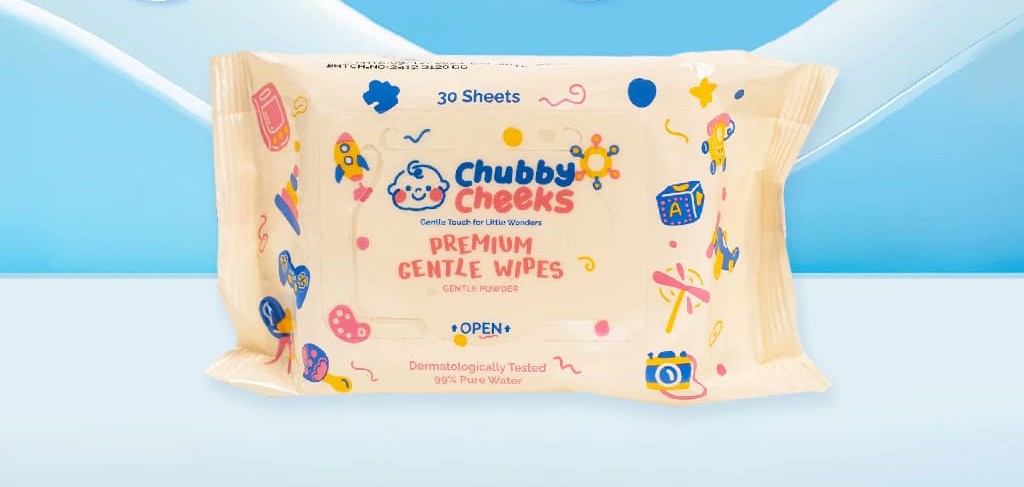
For regular diaper changes, gentle water-based or sensitive wipes are your best friend. They’re mild enough for constant use throughout the day and help maintain your baby’s natural skin balance.
Keep a pack at your diaper station, another in your nursery caddy, and one in your diaper bag — you’ll thank yourself during those unexpected mid-day messes. Look for wipes labeled “fragrance-free” and “hypoallergenic” to reduce irritation on delicate newborn skin.
Messy Blowouts
When diaper duty gets serious, reach for wipes that are thicker, stronger, and a little more saturated. These wipes hold up better under pressure (literally) and help clean efficiently without rubbing too hard on your baby’s skin.
Some parents even prefer textured wipes for these moments, as they lift messes more easily. A pro trick? Warm the wipes slightly between your hands before using — it’s more soothing for your baby during cleanups.
Travel or On-the-Go
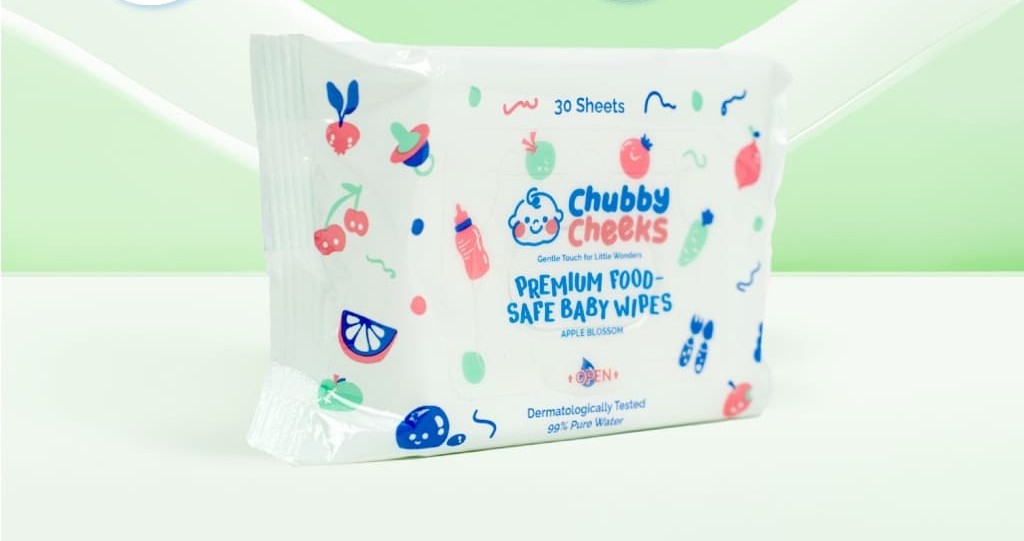
Out and about? Go for travel-size or resealable packs that don’t dry out easily. Compact, moisture-locking packaging makes it easier to grab a wipe one-handed — whether you’re in a car, café, or airplane restroom.
Pick food-grade wipes in travel-size packs. They’re versatile for cleaning faces, hands, or even stroller trays, and safe enough for quick snack-time touch-ups.
Eco-Conscious Households
If you’re trying to reduce your environmental footprint, biodegradable or compostable wipes made from bamboo, cotton, or plant-based fibers are great options. They’re gentle on the skin and kinder to the planet.
Some parents prefer reusable cloth wipes paired with a gentle cleansing solution at home — a sustainable alternative that’s both cost-effective and baby-safe. Remember to dispose of eco wipes properly (never flush them!) to make sure their eco benefits truly count.
Final Thoughts from Chubby Cheeks

Choosing the right baby wipes doesn’t have to be a guessing game. Take a moment to read the ingredients, think about your baby’s unique skin needs, and see what feels right for your little one.
At the end of the day, every parent just wants the best for their baby. And we’re here to remind you: you’re doing great, and your choices come from love — the most important ingredient of all.
If you’re searching for baby wipes that tick every box on the ingredient safety checklist, look no further! Explore Chubby Cheeks’ carefully curated selection, made with your little one’s comfort and care in mind.
FAQs
1. Can I use baby wipes on a newborn?
Yes, as long as they are alcohol-free and fragrance-free. Many hospitals use water-based wipes safely for newborns.
2. Are “99% water” wipes really better?
Generally yes. Fewer ingredients mean lower risk of irritation, but make sure they contain mild preservatives to prevent bacteria.
3. What should I do if my baby gets a rash?
Switch to a gentle, water-based wipe or use cotton pads with plain water for a few days. If the rash persists, consult your pediatrician.
4. Do I need separate wipes for the face, hands, and diaper area?
Not necessarily. Food-grade wipes are safe for all areas — just don’t reuse the same wipe between them.