
Ever heard the saying “smooth as a baby’s bottom”?
Newborn skin is unbelievably soft and silky, but this velvety texture hides a surface far more delicate than it looks. It’s biologically thinner, more porous, and is still learning to protect itself from the world outside the womb.
Research shows that infant skin is 20–30% thinner than adult skin, meaning its natural barrier is still developing. Even mild ingredients or a bit of rough wiping can throw its balance off.
What feels gentle to us can cause dryness, diaper rash, or eczema flare-ups for them. That’s why even something as simple as a wipe can feel like a big decision.
This article will provide an evidence-backed guide to help you understand the difference between baby wipes and cotton wool and make informed decisions for your little one’s delicate skin.
Baby Skin 101: The Science of Delicacy
After spending months in a fluid-filled environment, a newborn’s skin suddenly has to adjust to air, clothing and daily cleansing, all while still developing its own defence mechanism.
This early stage is when your baby’s skin is most vulnerable, and understanding this is crucial to making gentler and safer choices.
1. Thinner & Weaker Barrier
At birth, the baby’s outermost protective layer, known as the stratum corneum, is still in the stage of maturation. It is about 30% thinner than adults, making it more vulnerable to irritants, bacteria, and even ingredients in baby wipes.
Even mild fragrance, alcohol or harsh preservatives can trigger redness or rashes. That’s why choosing the best baby wipes is so essential for your baby’s comfort.
2. Higher PH Level
While adult skin maintains an acidic pH, baby skin starts off more alkaline due to exposure to the alkaline amniotic fluid in the womb.
| Skin Type | pH Nature | Approx. pH Level |
|---|---|---|
|
Adult |
Acidic |
5.0 – 5.5 |
|
Baby |
Alkaline |
6.3 – 7.5 |
3. Less Natural Moisturising Factor (NMF)
The Natural Moisturising Factor (NMF) is a mix of natural compounds like amino acids and salts that help keep the skin hydrated.
Newborns naturally have lower concentrations of NMF and essential lipids, such as ceramides, which means their skin loses moisture more easily. They also experience higher transepidermal water loss (TEWL) in the first weeks of life.
This makes your baby’s skin feel silky soft yet also more prone to dehydration.
4. Weaker immune
A baby’s epidermis may have fewer mature immune cells, such as Langerhans cells, which act as the body’s natural germ fighters. This means their skin can’t yet defend itself as effectively from irritants, bacteria, or infection from unclean surfaces.
Until this defence strengthens, parents play an important role in keeping the baby’s skin clean, safe, and protected.
Looking for a safer baby wipe option? Discover our Premium Gentle Baby Wipes and see how small changes can make a big difference in your baby’s daily care.
Baby Wipes or Cotton Wool: Which Works Best for Your Baby?

Baby Wipes
Baby wipes are soft and pre-moistened sheets designed specially to clean and soothe your baby’s sensitive skin. They are widely used during diaper changes or for quick clean-ups on the hands, face, and body.
Modern baby wipes combine convenience, hygiene, and gentle care, helping parents maintain their baby’s comfort wherever they go.
Composition
The material baby wipes are made from can vary significantly by brand and type. Baby wipes are typically made from:
- Plant-based fibres
This includes cotton or bamboo, which are known for their softness and biodegradability. - Non-woven fibres
This includes materials like polyester or polypropylene, which give wipes durability and flexibility. - Purified water
These materials are soaked in purified water and gentle cleansing agents to lift away dirt and impurities without stripping moisture from the skin.
While most premium wipes are pH-balanced, fragrance-free, and dermatologist-tested to support the skin’s natural moisture barrier, some lower-quality wipes may contain alcohol, parabens, or artificial fragrances that can irritate sensitive skin.
Pros
- Convenient and travel-friendly for on-the-go cleaning
- Gentle, pH-balanced, and safe for daily use
- Reduces friction and irritation compared to dry tissues
- Hygienic, with one-time-use sheets that minimise contamination
Cons
- May cause irritation if they contain fragrance, alcohol, or certain preservatives
- Opened packs can dry out or grow bacteria if not sealed properly
- Not recommended for premature babies or NICU care settings
Cotton Wool + Water
Cotton wool with water involves using soft, absorbent cotton pads or balls moistened with clean, cooled boiled water. It is ideal for newborns, especially during the first few weeks of life when their skin barrier is still developing.
Before the invention of modern wipes, cotton wool and water were the traditional choice for cleansing a baby’s sensitive skin, especially during diaper changes. Due to its familiarity and long existence, it remains a popular choice among many parents.
Composition
- Pure Cotton
Cotton wools are made from pure cotton, which is naturally soft and non-reactive, combined with clean water. It’s often used in hospitals and neonatal units because it’s sterile, simple, and free from added ingredients.
Cotton wool with water is ideal for parents who prefer a completely ingredient-free approach for their babies. While it is mostly additive-free, it may require frequent replacement and extra preparation time, especially during nighttime or outdoor clean-ups.
Pros
- 100% natural and chemical-free
- Soft and gentle on newborn skin
Ideal for early weeks or very sensitive skin types - Customizable temperature, adapts to water temperature
Cons
- Less convenient for travel or quick clean-ups
It can dry out the skin if water alone is used frequently - Takes time to prepare and dispose of
- Can leave lint or fibers on the skin if not high-quality cotton
- May not effectively clean sticky or heavy messes
Baby Wipes vs Cotton Wool: What Works for You
| Aspects | Baby Wipes | Cotton Wool + Water |
|---|---|---|
|
Convenience |
High
Pre-moistened and ready to use anytime, and ideal for travel or quick diaper changes. |
Low
Dry and requires clean water, which can be less practical during outings or nighttime use. |
|
Hygiene |
High
Single-use, pre-sterilised, and sealed packs reduce the risk of contamination. |
Low to Moderate
Pure cotton is clean, but hygiene depends on water quality and handling. Double-dipping cotton or using unsterile water increases risk. |
|
Gentleness
|
High
Suitable for most skin types, especially when fragrance-free, alcohol-free, and dermatologist-tested. |
High
Pure cotton is extremely gentle and ideal for newborns and the first few weeks of life. |
|
Effectiveness |
High
Cleans effectively, even sticky or oily messes, without harsh rubbing. |
Low to Moderate
Best for light cleaning but may struggle with heavier or oily residues. |
|
Skin Protection |
Moderate to High
Modern wipes are pH-balanced and often contain mild moisturisers that help support the skin barrier. However, fragranced or alcohol-based wipes can cause irritation. |
Moderate to High
Pure cleansing without chemicals, but it offers no moisturising or barrier support, which can dry out skin faster with frequent use. |
|
Eco-Friendliness
|
Moderate to High
Available in biodegradable or plant-based options (like bamboo). However, synthetic or mixed-fibre wipes are less eco-friendly. |
Moderate to High
Pure cotton wool is biodegradable but requires more water during production |
|
Cost Efficiency
(Average Estimation in Malaysia) |
Low to Moderate
Price Range: RM2 – RM20 (varies by brand and size). |
Moderate to High
Price Range: RM5 – RM40 depending on type (balls, pads, rolls), brand, and quantity. |
Why Chubby Cheeks Wipes Are a Safer Choice
When choosing wipes, it’s best to look for ones that are free from alcohol, parabens, or harsh preservatives, and that use natural, skin-loving ingredients.
Chubby Cheeks Premium Gentle Wipes are made with 99% pure water, processed through a 19-step filtration system, and infused with Ecocert Cosmos Certified Aloe Vera and Chamomile Extracts, ingredients known for their soothing and moisturising benefits.
They’re suitable even for the most sensitive skin because they are:
- Dermatologist-tested in a German lab
- HALAL-certified
- Free from alcohol, parabens, and harsh chemicals
Their soft, cottony honeycomb texture helps clean effectively with less friction, while the smart-pull design ensures easy, hygienic use whether at home or on the go.
With Chubby Cheeks wipes, parents can enjoy the convenience of modern wipes without compromising on purity or gentleness.
Hospital Protocols: NICU and Maternity Wards
Typically, the NICU and maternity wards prioritise minimising the risk of any form of skin irritation to protect newborns’ delicate skin barrier, especially preterm or hours-born infants.
There are standard protocols followed by many hospitals for preterm and newborn infants, especially those less than 32 weeks of gestation or in the first days or weeks.
Preterm Infants
In preterm babies, typically below 32 weeks, the skin is thinner and more fragile. Hospitals use sterile water with soft cotton wool or pads for cleansing to avoid exposing the baby to preservatives, fragrances, or other potential irritants.
Term Newborns
For full-term newborns, initial cleaning, including diaper area care, is usually done with cotton wool and plain water. The first bath is generally pushed back until the baby is thermally and cardiorespiratorily stable, which often takes at least 24 hours after birth.
After the first few weeks, once the skin matures, parents may gradually switch to mild, pH-balanced wipes that are free from:
- Fragrance and alcohol
- Essential oils and harsh surfactants
- Antiseptics or soaps
Newborn care at home
For healthy, full-term babies, modern wipes are considered safe for daily use when well-formulated.
Dermatologists recommend choosing wipes that are:
- Fragrance-free and alcohol-free
- pH-balanced
- Made with minimal, skin-friendly ingredients like purified water and mild moisturisers
These wipes combine safety with everyday practicality, supporting healthy skin even with frequent cleaning.
When to Use What: A Scenario-Based Guide for Parents
Your baby’s cleaning needs change every day. Whether you prefer baby wipes or cotton wool, knowing when to use each helps you balance gentle care with everyday convenience.
| Scenario | Best Options | Why |
|---|---|---|
|
Newborn’s First Few Weeks (0–6 weeks)
|
Cotton Wool + Water |
Recommended by hospitals and NICU guidelines as the gentlest choice for the first weeks of life.
|
|
Diaper Changes (After the First Month)
|
Baby Wipes (Fragrance-Free, pH-Balanced)
|
Removes urine and stool residue effectively while maintaining your baby’s natural skin pH.
|
|
Nighttime |
Baby Wipes |
Convenient and hygienic for quick, mess-free cleaning without disturbing your baby. |
|
Very Sensitive or Eczema-Prone Skin |
Cotton Wool + Water or Dermatologist-Tested Wipes with Minimal Ingredients |
Gentle cleansing without harsh chemicals; ideal for babies with easily irritated or allergy-prone skin. |
|
Post-Meal Face or Hand Wiping |
Food-Safe Baby Wipes |
Formulated with 100% food-grade ingredients, safe to use on hands, in the mouth, and even on food-contact surfaces to gently remove food residues and stickiness. |
|
Outdoor or Long Travel |
Baby Wipes |
Compact,ready-to-use and keeps your baby comfortable wherever you are. |
Notes: You don’t have to choose one method forever. Many parents start with cotton wool and water for the first 6–8 weeks, then switch to gentle wipes as their baby grows. Choose what meets your baby’s unique skin needs.
Want a safer way to clean after meals? Explore Chubby Cheeks Premium Food-Safe Wipes, crafted with 100% food-grade ingredients for safer care.
Wiping Techniques That Protect the Skin Barrier
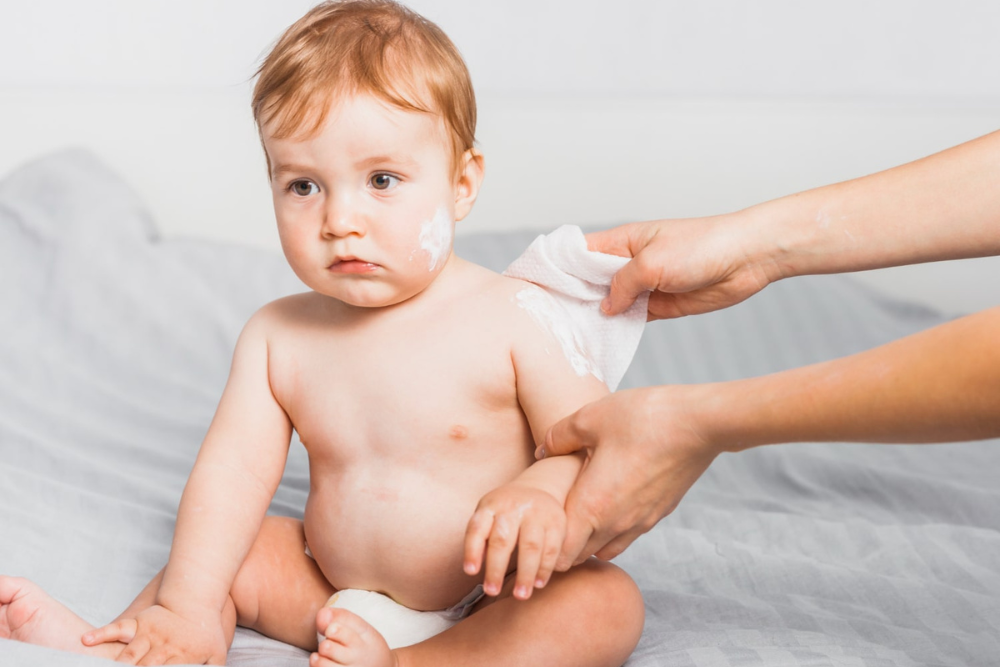
While gentle baby wipes and cotton wool are designed for delicate skin, irritation can still occur if used too roughly. As your baby’s skin barrier is fragile and still developing, how you clean matters just as much as what you use.
- Always be gentle
Avoid harsh rubbing or scrubbing the skin, even when removing sticky messes. Instead, dab, pat, or gently swipe in one direction to lift dirt without weakening the skin barrier. This helps prevent rashes, especially around the diaper area.
Tip: Always fold the wipe or cotton pad after each swipe to use a clean surface every time. This small step keeps things more hygienic and effective.
- Wipe Front to Back
Wipe softly in a front-to-back motion to avoid causing friction and cross-contamination. This is especially important for baby girls, as it prevents stool bacteria from reaching the urinary area.
- Never Over-Wipe
Usually, one or two wipes are enough per change. Once the area looks clean, you can leave it. Over-wiping can strip natural oils and weaken the skin’s moisture barrier, which can cause dryness.
- Let the Skin Breathe
After cleaning, gently pat dry or let the area air-dry for a few seconds before changing into a fresh diaper. This helps remove trapped moisture that can cause diaper rash or fungal infections.
- Moisturise if needed
If your baby’s skin looks dry or red, apply a thin layer of fragrance-free baby moisturiser or a barrier cream such as zinc oxide or petrolatum-based formulas. This helps lock in moisture and shield the skin from irritation.
Note: These gentle techniques apply to both baby wipes and cotton wool + water.
Find the Right Care for Your Baby’s Skin!
Every baby deserves care that’s as gentle as your touch. At Chubby Cheeks, every wipe is made with love, care, and a promise of purity.
We aim to help parents make gentle, worry-free choices every day. Our Premium Gentle Baby Wipes and Food-Safe Baby Wipes are created to protect and nurture your little one’s delicate skin. They’re free from harsh chemicals, alcohol, and artificial fragrances.
Why Parents Trust Chubby Cheeks:
- Dermatologist-tested & free from harsh chemicals: Safe and gentle for everyday use.
- Safe for sensitive skin: Non-irritating and pH-balanced to support baby’s natural skin barrier and moisture balance.
- Longer Shelf Life: One-touch sticker and extra-large seal keep wipes moist and fresh for longer
Your baby deserves comfort in every wipe. Take the first step toward worry-free care with Chubby Cheeks and make your parenting journey a little easier.
FAQs
What material is best for baby wipes?
For single-use disposable wipes, natural and biodegradable materials such as bamboo fibres or organic cotton are considered the best options. They are softer, more absorbent, and less likely to cause irritation on delicate baby skin.
Compared to traditional synthetic wipes, plant-based biodegradable fibres are eco-friendly, making them a safer choice for both babies and the environment.
How long can I keep an open pack of wipes?
It’s recommended to use an opened pack within 2 to 4 weeks, considering it’s properly sealed after each use. This helps maintain freshness and moisture while preventing contamination.
Check for a “use by” or expiration date on the packaging.
Always reseal the lid or sticker tightly after each use.
Store in a cool, dry place away from sunlight.
Discard the pack if you notice dryness, discolouration, odour, or mould.
NICU Guidelines
In terms of premature or immunocompromised babies, the risk of contamination is higher. It is recommended not to use opened packs beyond 72 hours (1–3 days) to minimise bacterial contamination.
How can I tell if wipes are pH-balanced?
1. Check the Packaging for Claims or Labels
Always look for specific claims such as “pH-balanced” since it is often a key label for sensitive-skin baby products.
2. Use a pH Test Strip
If unsure, you can test at home using pH test strips available at pharmacies. You can simply press a dry strip onto a fresh wipe for a few seconds and compare the colour change with the chart provided.
A result between pH 5.0 and 6.0 indicates that the wipes are close to the skin’s natural “acid mantle,” which is generally considered ideal for babies.
Note: The test strip can provide a good general estimate, but the results may not be perfectly accurate.
Are reusable wipes better for sensitive skin?
Generally, yes. Reusable wipes made from organic materials can be very gentle as they’re chemical-free and have a thicker texture for effective cleaning.
However, hygiene can be a concern since reusable wipes must be washed thoroughly after every use to prevent bacterial growth and re-contamination. This usually involves the use of detergents, which can potentially leave residues that irritate the baby’s skin.
It is recommended to wash them using a gentle, residue-free detergent and let them fully air-dry before reuse to prevent bacterial buildup.